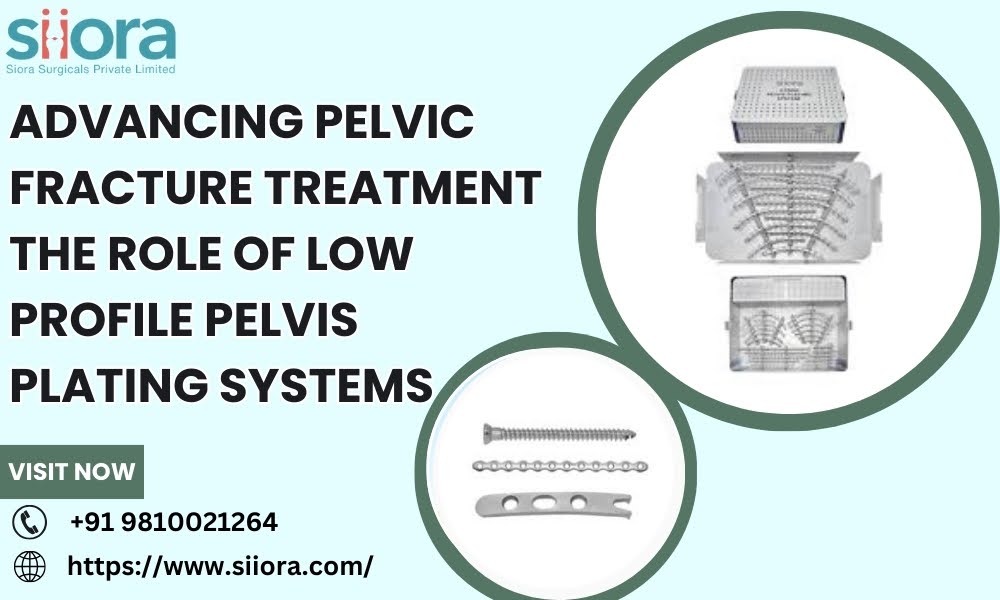
Pelvic fractures are among the most complex and challenging injuries faced in orthopedic trauma care. Due to the pelvis’s crucial role in weight-bearing, mobility, and housing vital organs, fractures in this region require meticulous attention and advanced treatment strategies. In recent years, low profile pelvis plating systems have emerged as a groundbreaking solution, revolutionizing how these injuries are managed. These innovative implants, like pelvic plates, offer superior biomechanical stability, reduced soft tissue irritation, and enhanced patient outcomes.
Understanding Pelvic Fractures
Pelvic fractures typically result from high-energy trauma, such as motor vehicle accidents, falls from significant heights, or direct impact injuries. These fractures can vary in severity, ranging from stable injuries that can be managed conservatively to highly unstable fractures that demand surgical intervention. The complexity of pelvic anatomy makes surgical treatment particularly challenging, necessitating implants that provide strong fixation while minimizing complications.
Traditionally, pelvic fracture fixation relied on bulky plating systems, which, while effective in stabilization, often led to soft tissue irritation, discomfort, and increased risk of complications, including infection and hardware prominence. The introduction of low profile pelvis plating systems addresses these concerns, offering a more refined and patient-centric approach.
The Evolution of Low Profile Pelvis Plating Systems
Advancements in orthopedic technology have led to the development of low profile plating systems that prioritize both functionality and patient comfort. These systems are designed to be thinner, lighter, and anatomically contoured, reducing the likelihood of soft tissue impingement and postoperative complications.
Key innovations in low profile pelvis plating systems include:
- Anatomical Contouring: Plates are pre-contoured to match the natural curvature of the pelvis, reducing the need for intraoperative bending and enhancing fit.
- Low-Profile Design: The plates are thinner than traditional implants, minimizing soft tissue irritation and the potential for hardware prominence.
- Enhanced Biomechanical Stability: Despite their reduced profile, these plates maintain high-strength fixation, allowing for early mobilization and improved functional recovery.
- Locking Screw Technology: Many modern systems incorporate locking screws, which improve fixation stability and reduce the risk of implant failure.
- Minimally Invasive Application: The design of these plates supports minimally invasive surgical techniques, leading to smaller incisions, reduced blood loss, and faster healing times.
What Are the Benefits of Low Profile Pelvis Plating Systems?
The integration of low profile pelvis plating systems into trauma surgery has significantly improved outcomes for patients with pelvic fractures. Some of the key benefits include:
Reduced Soft Tissue Complications
Traditional pelvic plates often protrude, leading to irritation of surrounding soft tissues and increased infection risk. Low profile systems minimize these issues by maintaining a sleek design that conforms closely to the bone.
Improved Postoperative Comfort
Patients frequently experience discomfort from hardware protrusion, particularly in thin individuals. With a lower-profile design, these modern plates reduce discomfort, enhancing patient satisfaction.
Facilitation of Early Mobilization
Strong fixation and improved biomechanical stability allow for early weight-bearing and rehabilitation, which are crucial in preventing complications like deep vein thrombosis and muscle atrophy.
Lower Risk of Hardware Removal
Due to decreased irritation and prominence, fewer patients require secondary surgeries for hardware removal, reducing overall healthcare costs and surgical risks.
Enhanced Aesthetic and Functional Outcomes
With smaller incisions and better anatomical fit, low profile systems lead to better cosmetic results and improved long-term functionality.
Clinical Evidence and Future Prospects
Studies have demonstrated the efficacy of low profile pelvis plating systems in reducing complications and improving fracture healing. Clinical trials and real-world applications have shown lower rates of infection, hardware failure, and the need for revision surgeries compared to traditional plating methods.
Looking ahead, the field of orthopedic trauma surgery continues to evolve with the integration of advanced materials such as bioresorbable implants and 3D-printed custom plates. These innovations may further enhance the capabilities of low profile systems, providing even more personalized and effective treatment options.
Conclusion
The advent of low profile pelvis plating systems marks a significant leap forward in the treatment of pelvic fractures. By addressing the limitations of traditional fixation methods, these systems offer improved stability, patient comfort, and long-term outcomes. As technology advances, continued innovation in this field will further refine the surgical approach to pelvic trauma, ultimately enhancing the quality of life for patients worldwide. For orthopedic surgeons and trauma specialists, embracing these advancements is not just about improving surgical outcomes—it’s about redefining patient care for the better.Siora Surgicals Pvt. Ltd. is a trustworthy manufacturer and supplier of an international standard range of trauma implants, including pelvic plating systems. Based in India, the company has a presence in over 50 countries and is also looking to establish its presence as one of the leading orthopedic devices companies in Jordan.
 Site Title