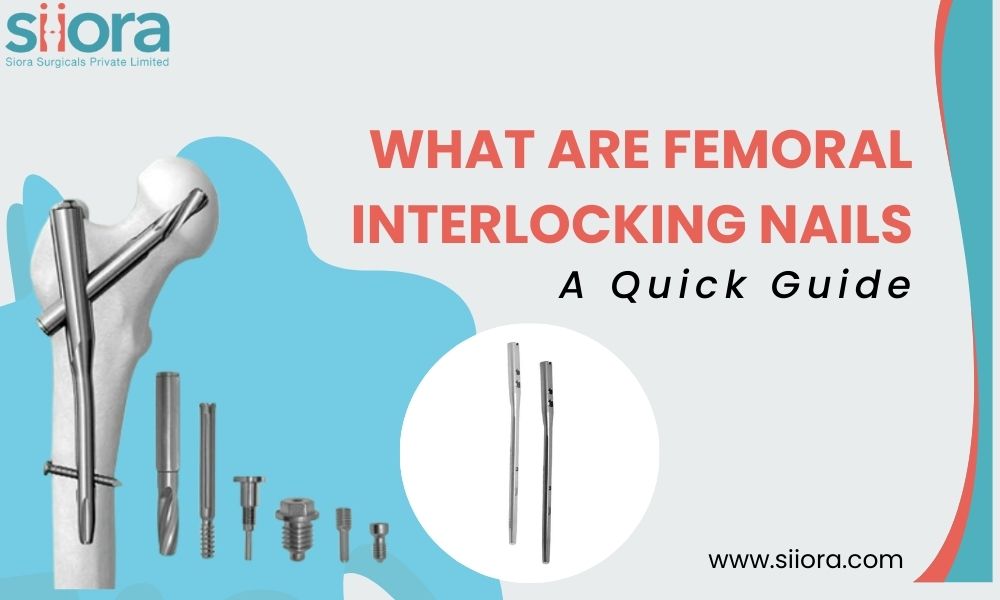
When it comes to orthopedic injuries, particularly fractures, modern medical advancements have introduced effective treatments that ensure quicker recovery and restored mobility. One such breakthrough is the Femoral Interlocking Nail, a specialized implant used in the surgical treatment of femoral fractures. If you or someone you know has suffered a femur injury, understanding how this medical device works can help ease concerns and provide clarity about the recovery process.
Understanding Femoral Interlocking Nails
A Femoral Interlocking Nail is a metal rod, usually made of titanium or stainless steel, that is inserted into the hollow part of the femur (thigh bone) to stabilize and align fractured bone segments. This method is commonly used to treat complex femoral shaft fractures, subtrochanteric fractures, and comminuted fractures. It acts as an internal splint, holding the bone in place and allowing it to heal properly over time.
Unlike traditional casting or external fixation methods, femoral interlocking nails provide enhanced stability and promote faster healing with minimal soft tissue damage. This technique is widely preferred due to its durability, strength, and compatibility with the human body.
How Does a Femoral Interlocking Nail Work?
The surgical procedure for inserting a femur interlocking nail is known as intramedullary nailing. Here’s a simplified breakdown of the process:
Incision and Access
The surgeon makes a small incision near the hip or knee to gain access to the femur.
Bone Alignment
Using X-ray guidance, the fractured bone is properly aligned to ensure correct positioning.
Insertion of the Nail
The femoral interlocking nail is then carefully inserted into the medullary canal (the central cavity of the bone).
Interlocking Screws
To prevent rotation or movement, screws are placed at both ends of the nail to secure it in place.
Closure and Recovery
The incision is closed, and post-surgical care begins immediately to support healing.
This procedure significantly reduces the risk of bone misalignment and shortens recovery time compared to conventional methods.
Benefits of Femoral Interlocking Nails
Femoral interlocking nails offer several advantages over traditional fracture treatment methods:
Enhanced Stability
The nail holds the fractured bone firmly in place, reducing movement that could delay healing.
Minimal Invasive Surgery
Since only small incisions are made, it results in less blood loss and faster wound healing.
Early Weight-Bearing
Patients can typically start putting weight on the affected leg much earlier compared to traditional treatments.
Reduced Risk of Malunion
Misaligned bone healing is less common due to the internal support provided by the nail.
Faster Recovery
Patients can resume normal activities sooner, reducing downtime and improving overall quality of life.
Who Needs a Femoral Interlocking Nail?
This treatment is primarily recommended for individuals who have suffered:
- High-impact femur fractures from accidents or sports injuries.
- Pathological fractures caused by conditions like osteoporosis or bone tumors.
- Multiple fractures requiring internal stabilization.
- Open fractures where external fixation may not be feasible.
Potential Risks and Considerations
While femoral interlocking nails are generally safe and effective, there are some potential risks, including:
Infection
As with any surgical procedure, infection is a possibility but can be managed with proper care.
Implant Failure
Rare cases of nail breakage or loosening may occur, requiring revision surgery.
Blood Clots
Post-surgical blood clot formation is a risk, and preventive measures are usually taken.
Delayed Healing
In some cases, bones may take longer to heal, especially in older patients or those with underlying health conditions.
Post-Surgical Recovery and Rehabilitation
After surgery, a well-structured rehabilitation plan is essential for optimal recovery. This includes:
Pain Management: Medications and ice therapy help manage pain and swelling.
Physical Therapy: Guided exercises restore strength, flexibility, and mobility.
Gradual Weight-Bearing: Doctors will advise when it’s safe to start putting weight on the affected leg.
Regular Check-Ups: Follow-up X-rays ensure proper healing progress.
Recovery times vary from a few months to a year, depending on the severity of the fracture and individual healing capacity. However, with proper care and adherence to medical advice, most patients regain full mobility.
Final Thoughts
Femoral interlocking nails have revolutionized the treatment of femur fractures, providing a reliable, stable, and efficient solution for patients. While surgery always carries some risks, the benefits of this procedure often outweigh the drawbacks, making it a preferred choice for orthopedic surgeons worldwide.Explore a newer and improved range of orthopedic implants by Siora and other cutting-edge healthcare products at FIME Show 2025.
 Site Title